Reading a Menu Honestly
· 1 min read
Menus are written to sell, not to inform. Three habits get you past the marketing and to the question of what is actually in the dish.
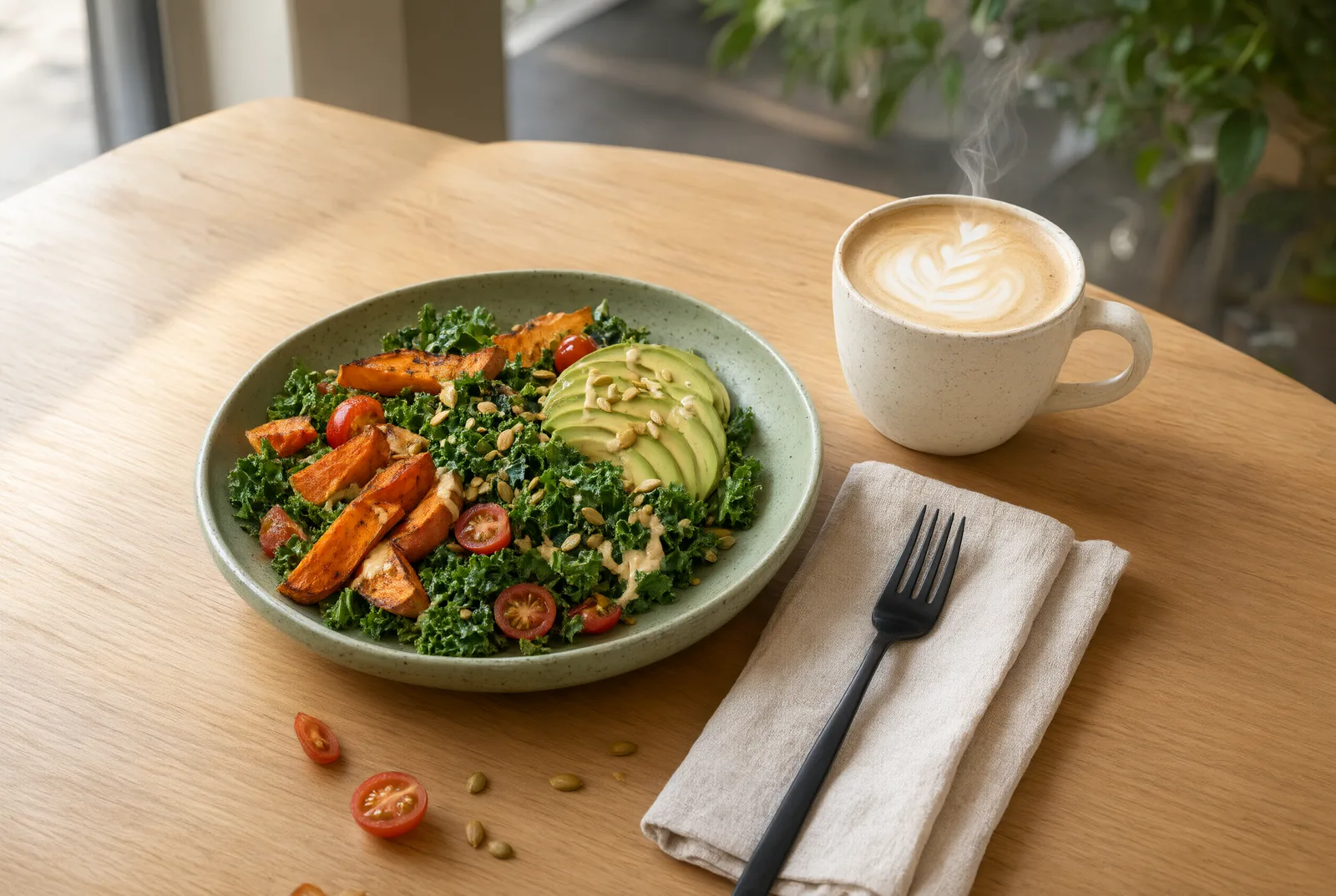
The first habit is to read the ingredient list rather than the dish name. Names are chosen for appeal and are frequently misleading in both directions: a garden bowl can contain cheese and a heavy-sounding stew can be entirely plant-based. Where a menu gives ingredients, it has told you more than any label.
The second is to notice what is missing. If a menu lists ten dishes and marks two, the marking is reliable. If a menu marks nothing at all, the absence of marks is not a claim about anything, and you are back to asking. Half-marked menus are the worst case: they suggest a system that is only partly maintained.
The third habit: watch the substitutions
A place comfortable with plant-based cooking will offer to change dishes rather than pointing you at the one that already qualifies. That willingness is the strongest signal on the menu, because it means the kitchen knows what is in its own food well enough to modify it safely.
The reverse is also informative. A kitchen that refuses all substitutions is usually a kitchen assembling pre-made components, which is worth knowing regardless of what you eat. Ask for one small change to something and see what happens; the answer tells you more about the room than any of the descriptions on the wall.